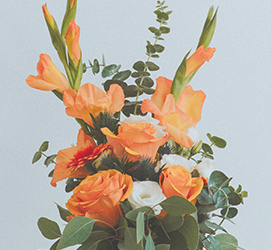
Assess flower quality on delivery a buyers guide
Posted on 28/10/2026
Fresh flowers should feel like a small moment of joy, not a gamble. Whether you are sending a birthday bunch, ordering sympathy flowers, or choosing something for your own table, knowing how to assess flower quality on delivery helps you spot value, avoid disappointment, and make a better buying decision next time. This guide walks you through what good delivery quality looks like, how to inspect blooms quickly, and what to do if something does not look right. To be fair, most people only notice flowers when they are beautiful. But the real skill is knowing what beauty should still look like after a journey in a box, van, or hand-tied wrap.
If you have ever opened a delivery and thought, "Hmm, is that normal?" you are in the right place. Let's make that judgement easier.
Table of Contents
- Why assessing flower quality on delivery matters
- How flower delivery quality checks work
- Key benefits and practical advantages
- Who this guide is for
- Step-by-step guidance
- Expert tips for better results
- Common mistakes to avoid
- Tools, resources and recommendations
- Law, compliance, standards and best practice
- Options, methods and comparison table
- Case study or real-world example
- Practical checklist
- Conclusion
- Frequently asked questions
Why Assess flower quality on delivery a buyers guide Matters
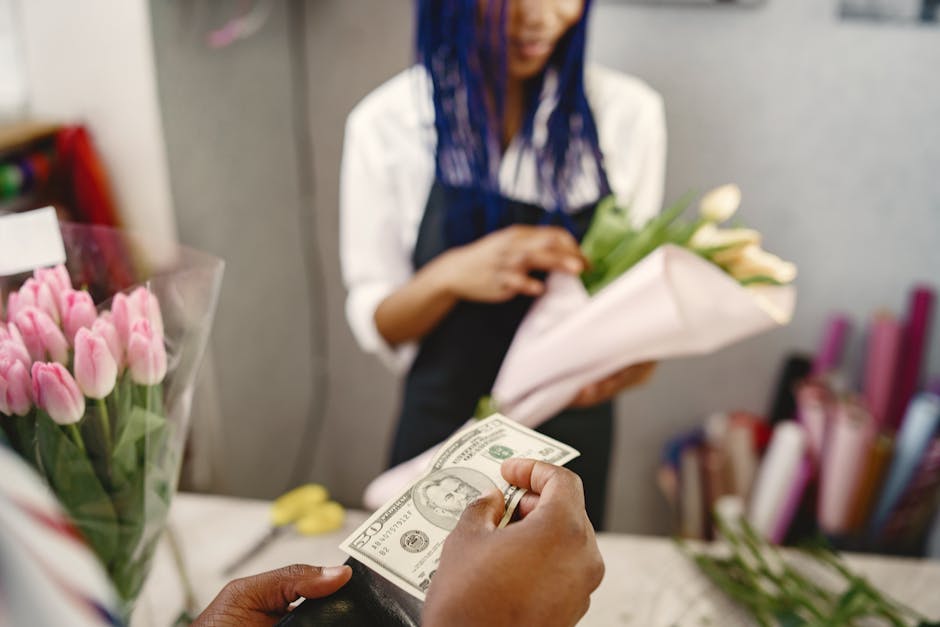
Flower quality is not just about how pretty the bouquet looks in the shop photo. A delivery has a job to do: it has to travel well, arrive in decent condition, and still have enough life left to be enjoyed for days. If you are buying online or by phone, you often cannot inspect the stems before they leave the florist, so the delivery moment becomes your first real quality check.
That matters for a few reasons. First, flowers are perishable. Freshness slips fast once stems are cut, especially if they are overheated, poorly hydrated, or packed badly. Second, different flowers age differently. Roses may open after delivery, lilies can arrive in bud, and softer stems can bruise more easily. Third, delivery quality is also about handling. A brilliant bouquet can still disappoint if it has been squeezed in transit, left in a warm van, or not secured properly.
And let's face it, nobody wants the awkward little dance of deciding whether the blooms are "a bit tired" or genuinely poor quality. A solid buyer's guide helps you tell the difference. It also gives you a way to judge whether a florist is doing a careful job, not just taking an order and hoping for the best.
Expert summary: Good delivery flowers should look fresh, feel properly hydrated, smell clean rather than sour, and hold their shape without obvious damage. A little variation is normal. Flat heads, slimy stems, browning petals, or wilting across the whole arrangement are not.
How Assess flower quality on delivery a buyers guide Works
Assessing flower quality on delivery is basically a quick but thoughtful inspection. You are looking at the blooms, the stems, the leaves, the water source, the packaging, and the overall presentation. The trick is not to panic over one slightly bent petal. Flowers are living products, and some natural variation is completely normal. What you want to identify is the difference between harmless quirks and signs of poor handling.
In practice, most buyers can do a useful check in under five minutes. If the arrangement is wrapped, you may need to open it gently or lift the outer paper enough to inspect the stems and water reservoir. If it is in a vase, you can check the water level, clarity, and whether stems are sitting securely. If it is a boxed bouquet, you are mainly looking for hydration, support, and whether the blooms have been crushed.
Freshness is usually visible in small ways. Petals should be firm rather than limp. Leaves should be crisp or at least springy. Stems should look clean and cut neatly, not mushy or browned at the ends. Buds are often a good sign if they are not too tight and the blooms are not already over-open. There is a balance here, and it gets easier with experience.
One thing people often miss: temperature matters. A bouquet that looks slightly soft after a cold morning delivery may revive after a short rest indoors, while flowers that were overheated during transport might not recover at all. So assess the whole picture, not just one visual cue.
Key Benefits and Practical Advantages
Knowing how to assess delivery quality gives you more control as a buyer. That alone is worth it. But there are some very practical advantages too.
- Better value for money: you can tell whether the flowers are truly fresh or just styled to look full.
- Fewer surprises: spotting a problem early means you can raise it while the order is still recent and traceable.
- Better gifting confidence: if you are sending flowers for a birthday, anniversary, or sympathy occasion, you want the arrangement to land well.
- More informed repeat buying: once you know what good quality looks like, you will choose better florists and better product types.
- Less waste: fresh flowers last longer, so you get more days of enjoyment from the same spend.
There is also a quieter benefit: peace of mind. When flowers are for a condolence visit, a wedding morning, or even a simple Tuesday pick-me-up, you do not want to be wondering whether they will hold out for the event. Quality checking removes some of that mental noise. Honestly, that is half the battle sometimes.
If you are buying regularly, especially from a local florist such as flower care advice and careful delivery notes can make a big difference to how long arrangements stay fresh after arrival.
Who This Is For and When It Makes Sense
This guide is useful for anyone who receives or sends flowers and wants a more reliable result. In particular, it helps:
- gift buyers choosing delivery for birthdays, anniversaries, or thank-you gestures
- customers ordering for sensitive occasions, such as sympathy or funeral flowers
- people comparing online florists and wondering which one is worth trusting
- event planners and couples checking wedding florals on the day
- regular flower buyers who want longer-lasting blooms for home or office
It makes sense whenever the quality of the flowers actually matters, which is most of the time, really. For a casual bunch for the kitchen table, you may be more forgiving. For wedding bouquets or tributes, you need a sharper eye. A drooping rose in a birthday arrangement is annoying; a poorly handled sympathy spray is much more serious.
If you are in North London and want to browse a range of styles before buying, you may find it useful to look at a trusted local florist in Manor House N4 or review the wider flower delivery service in Manor House N4 before placing an order.
Step-by-Step Guidance
Here is a straightforward way to assess flower quality on delivery without overthinking it.
1. Check the overall appearance first
Step back and look at the bouquet as a whole. Does it look balanced, bright, and purposeful, or does it seem flattened and tired? A fresh arrangement usually has energy to it. The heads may not all be fully open, but the bunch should still feel alive. If several blooms are drooping at once, that is a warning sign.
2. Inspect the petals
Petals should be free from major browning, bruising, transparent edges, or obvious dehydration. A few natural marks are normal. Flowers are not plastic. But if the outer petals are collapsing or the colour is dull and patchy across the whole bunch, the flowers may be past their best.
3. Check the stems
Healthy stems are usually clean-cut, firm, and not slimy. If you notice soft, discoloured, or mushy ends, the flowers may not have been hydrated properly. For wrapped flowers, look for signs that the stems have dried out. For vase arrangements, make sure the stems are sitting well in water and not floating loosely.
4. Look at the leaves and foliage
Leaves should be green, springy, and mostly unblemished. Yellowing, wilting, or blackened foliage can indicate age or handling issues. Some flowers have naturally softer foliage, so do not expect perfection. Still, if the greenery looks rough, the bouquet probably has not been treated gently.
5. Check for bud stage and bloom stage
Some flowers arrive in bud so they can open gradually at home. That is not a problem. In fact, it is often a sign of better longevity. What you want to avoid is a bouquet where everything is already over-open and starting to collapse. For roses, tulips, lilies, and similar flowers, a mix of bud and open bloom is often ideal.
6. Smell the flowers carefully
A fresh bouquet usually smells clean, floral, or lightly green. A sour, fermented, or musty smell can mean the water has gone bad or the flowers have begun to decline. Not every flower has a strong scent, so lack of fragrance is not necessarily a problem. Weird smell, though? That deserves attention.
7. Review the water and packaging
If the flowers are delivered in water, check that the water is clear enough and there is enough of it. Cloudy water can be normal in some cases, but dirty-looking water or an empty vessel is not ideal. Packaging should protect the blooms without crushing them. Good delivery packaging supports the flowers, rather than squeezing them like a sandwich nobody asked for.
8. Consider the occasion and expected lifespan
A same-day birthday bouquet may be designed for impact now, while flowers sent early for a weekend event need to last longer. If the flowers are meant to last several days, a few open blooms mixed with buds makes sense. If they are for a same-day event, a fresher-looking arrangement matters more than slow opening.
| What to check | Good sign | Possible concern |
|---|---|---|
| Petals | Firm, bright, lightly open | Browning, bruising, limp edges |
| Stems | Clean, firm, freshly cut | Slime, mushy ends, dry cut marks |
| Leaves | Green and springy | Yellowing or collapse |
| Water | Present and reasonably clear | Low, murky, or absent |
| Overall bouquet | Balanced, lively, well-shaped | Flattened, crushed, or uneven |
If you need flowers for a specific occasion, browsing occasion-led ranges such as birthday flowers or sympathy flowers can help you compare what fresh, well-designed arrangements look like for different needs.
Expert Tips for Better Results
After years of seeing what makes a bouquet arrive beautifully and what makes it limp by lunch, a few details stand out.
- Choose the right flower type for the delivery window. Hardy flowers such as chrysanthemums, carnations, alstroemeria, and many mixed seasonal bouquets tend to travel better than very soft-headed varieties.
- Pay attention to product photos, but do not rely on them alone. Photos show style, not freshness. The best clue is how the florist describes the stage of the blooms.
- Look for clear delivery guidance. A florist that explains when flowers are cut, packed, and dispatched usually takes quality more seriously.
- Ask whether the bouquet is sent with hydration support. Water source, gel, or a water-packed wrap can help flowers arrive in better shape.
- Keep the bouquet cool once it arrives. A sunny windowsill might look nice, but it shortens vase life. Truth be told, flowers are a bit fussy about heat.
- Trim stems before arranging. A fresh cut helps flowers take up water more effectively, especially after transit.
One small but useful habit: take a quick photo of the bouquet when it arrives. If there is a problem, you have a clear record. It also helps you compare how the flowers looked on day one versus day three, which is oddly satisfying if you are the sort of person who likes a good before-and-after.
For flowers that need to last a bit longer, it can also help to choose more robust options from a broader range like all flowers or best sellers, because those categories often reflect arrangements that already perform well in transit.
Common Mistakes to Avoid
People often think flower quality is obvious. Sometimes it is. Often it is not. Here are the mistakes that cause the most confusion.
- Judging only by size: a huge bouquet can still be low quality if the stems are tired or badly hydrated.
- Ignoring stage of bloom: flowers that are too open may look grand at first and fade quickly after delivery.
- Overlooking the stems: the bouquet can look fine on top while the lower stems are already struggling.
- Not checking packaging: crushed petals and bent stems can happen in transit, especially with poor packing.
- Waiting too long to report a problem: if something looks wrong, tell the florist promptly. Delays make it harder to assess what happened.
- Assuming every slight flaw is a defect: a natural petal bruise or small variation is not the same as poor quality.
A common one, and this happens all the time, is people thinking a flower is "dying" because it is still in bud. Some flowers open slowly, especially over the first 24 to 48 hours. Give them a fair chance before deciding they are poor quality.
Tools, Resources and Recommendations
You do not need specialist equipment to assess flowers properly, but a few simple tools make life easier:
- A clean pair of scissors or secateurs for trimming stems cleanly
- A clear vase so you can see water level and stem condition
- A soft cloth or paper towel for wiping down a vase before use
- A phone camera for documenting delivery condition if needed
- Fresh, room-temperature water for rehydrating arrangements safely
Useful supporting pages on a florist website often include delivery information, returns and refund guidance, and quality guarantees. Those pages help you understand what the florist promises if a delivery is not up to standard.
If you are comparing value as well as freshness, it can help to look at price-led ranges such as cheap flowers or a more premium selection like luxury flowers. Price alone does not define quality, but it usually changes the mix of stem types, bouquet size, and presentation level.
Law, Compliance, Standards, or Best Practice
For flower buyers, this topic is usually less about formal regulation and more about consumer fairness and good practice. In the UK, the main thing to remember is that sellers should describe goods accurately and provide what was reasonably promised. If the product is sold as fresh, seasonal, premium, or same-day, those descriptions should be meaningful, not just decoration on a page.
In practical terms, that means a reputable florist should make clear:
- what type of bouquet or arrangement you are buying
- any substitutions that may be needed if a flower is unavailable
- what delivery method is used
- how to care for the flowers on arrival
- how to raise a complaint if quality is poor
Best practice also includes careful packaging, clear care instructions, and a realistic expectation of vase life. If a florist offers service pages such as flower care and about us, that usually helps build trust because you can see how they handle quality, sourcing, and service.
For sensitive occasions like funerals, weddings, or sympathy tributes, the standard is higher again. Timeliness, accuracy, and presentation matter more because the flowers are tied to an event or a moment of care. It is worth checking the florist's policies on terms and conditions and privacy policy too, just so you know what to expect if you need support.
Options, Methods, and Comparison Table
Different delivery styles suit different needs. If you are judging quality on arrival, the format matters as much as the flowers themselves.
| Delivery style | What it looks like on arrival | Strengths | Watch out for |
|---|---|---|---|
| Hand-tied bouquet | Loose, styled, often wrapped | Elegant presentation, easy to gift | Needs careful stem hydration |
| Vase arrangement | Ready to display | Convenient, more protected in transit | Water quality and stem placement matter |
| Boxed bouquet | Supported in a box or insert | Good structure for travel | Can be damaged if packed too tightly |
| Subscription flowers | Regular delivery in varying styles | Great for repeat enjoyment and comparison | Consistency matters across deliveries |
If you are deciding between styles, think about the occasion. A vase arrangement may be the safer option for an office or hotel reception. A hand-tied bouquet might feel more personal for home delivery. For regular sending, subscription-style products such as a 12 month flower subscription, 6 month flower subscription, or 3 month flower subscription can be a useful way to learn what a florist's quality stays like over time.
Case Study or Real-World Example
Imagine a customer orders flowers for a Friday evening birthday dinner. The bouquet arrives late afternoon, wrapped neatly, with roses, germini, and greenery arranged in a hand-tied style. The customer does a quick check at the kitchen counter under natural daylight.
Here is what they notice: the roses are mostly in tight bud with a few open petals, the stems are firm, the leaves are fresh green, and the water wrap is still cool to the touch. One rose has a slightly bent outer petal, but the rest of the bouquet looks lively. That is generally a good sign. After a fresh trim and a vase of clean water, the roses open through the evening and still look good two days later.
Now compare that with a less successful delivery. Same day, same kind of occasion. The bouquet arrives warm, with a dull smell, cloudy water, and a few stems already slimy at the cut ends. The top of the arrangement may still look acceptable in a photo, but once opened, the issue is obvious. That is the kind of delivery quality problem you want to catch early.
In our experience, the strongest clue is not one dramatic flaw. It is several small signs adding up. A soft stem here, a tired leaf there, water that looks a bit off, blooms that are already too open. Individually, maybe fine. Together, not great.
Practical Checklist
Use this quick checklist when your flowers arrive:
- Do the blooms look fresh and lively at first glance?
- Are the petals firm, colourful, and mostly undamaged?
- Do the stems look clean, straight, and freshly cut?
- Are the leaves green rather than yellow or limp?
- Is there enough water or hydration support?
- Does the bouquet smell clean and floral rather than sour?
- Is the packaging protective without crushing the flowers?
- Are most flowers at a sensible stage of bloom for the occasion?
- Does the arrangement match what was ordered?
- Can any issues be photographed and reported promptly if needed?
If several answers are no, you probably have a genuine quality concern. If only one small detail looks off, it may simply be natural variation. That distinction matters more than people realise.
Conclusion
Assessing flower quality on delivery is not about becoming suspicious of every bouquet. It is about learning to read the little signs that tell you whether the flowers were handled with care. Fresh petals, healthy stems, decent hydration, and thoughtful packaging all point in the right direction. Weak stems, bad smell, bruised petals, and poor water conditions do the opposite.
Once you know what to look for, buying flowers becomes calmer and more satisfying. You can shop with more confidence, choose the right style for the occasion, and spot the difference between a well-handled delivery and a poor one without second-guessing yourself. That is the real win here. Not perfection. Just better judgement, and better flowers at the end of it.
Get a free quote today and see how much you can save.
Frequently Asked Questions
How can I tell if flowers are fresh on delivery?
Fresh flowers usually have firm petals, clean-cut stems, lively leaves, and a natural floral scent rather than a sour one. A mix of open blooms and buds is often a good sign, depending on the flower type.
Is it normal for delivered flowers to look a bit closed?
Yes, especially with roses, lilies, and mixed seasonal bouquets. Many flowers are sent in bud so they can open gradually and last longer. The key is that they should look healthy, not dehydrated or bruised.
What are the signs of poor flower quality on arrival?
Look for limp petals, browning edges, slimy stems, yellowing leaves, cloudy or missing water, a bad smell, or a bouquet that looks crushed. Several signs together usually point to a genuine problem.
Should I open the packaging right away?
Usually yes, gently. Flowers need air and water soon after delivery. If they are wrapped or boxed, remove the outer packaging carefully so you can inspect the stems and rehydrate them if needed.
What if one flower in the bouquet looks damaged?
A single damaged bloom does not necessarily mean the whole delivery is poor quality. Flowers are natural products and minor imperfections happen. Judge the bouquet as a whole before deciding.
How long should delivered flowers last?
That depends on the flower type, condition on arrival, and how they are cared for at home. Freshly delivered flowers should normally give you several good days, and sometimes longer, if they are handled well after arrival.
Can temperature affect flower quality during delivery?
Yes. Heat can shorten vase life and cause flowers to soften quickly. Cold weather can also affect delicate blooms if they are not packed properly. Delivery handling matters a lot, even on short journeys.
What should I do if my flowers arrive damaged?
Photograph the arrangement as soon as possible, note the time of delivery, and contact the florist promptly. Keep your order details handy so they can investigate. Quick reporting always helps.
Are cheaper flowers always lower quality?
Not always. A lower price may simply mean a simpler design, fewer stems, or hardier varieties. Quality still depends on freshness, handling, and presentation. Budget flowers can be perfectly decent if they are well chosen.
Which flower types travel best?
Generally, sturdier flowers such as carnations, chrysanthemums, alstroemeria, and many mixed arrangements tend to travel well. Softer blooms can still arrive beautifully, but they usually need more careful handling.
Is it better to buy flowers in a vase or as a bouquet?
If you want convenience and extra protection, a vase arrangement can be easier. If you want a more flexible gift or a specific hand-tied style, a bouquet may be better. The best choice depends on the occasion and the delivery journey.
How do I compare florists before ordering?
Look at product descriptions, delivery information, care advice, guarantees, and refund policies. A florist that explains how they handle freshness and substitutions is usually easier to trust than one that says very little.
Can I assess flower quality without touching them?
Yes, mostly. You can learn a lot just by looking at bloom shape, leaf condition, stem colour, packaging, and water level. Touching helps, but your eyes will usually tell you enough to make a good first judgement.
What is the quickest quality check I can do?
Check the petals, stems, leaves, and smell. If the bouquet looks lively, feels fresh, and does not have a bad odour, it is probably in decent condition. Five minutes is often enough to spot obvious issues.
When in doubt, trust the little signs. Flowers rarely fail all at once; they tell the story quietly, one stem at a time.