Choosing wedding flowers for different venue types a simple guide
Posted on 24/09/2026
Picking flowers for a wedding sounds romantic until you start matching blooms to the actual venue. Then the questions pile up fast: will tall arrangements block sightlines, will a barn swallow tiny centrepieces, and what works in a bright conservatory versus a candlelit restaurant? This guide to choosing wedding flowers for different venue types keeps things simple, practical, and useful. You will see how venue size, light, colour, ceiling height, and table layout shape floral choices, plus how to avoid the common mistakes that make otherwise lovely flowers feel out of place.
Truth be told, the venue does half the styling work for you. The flowers should finish the picture, not fight it. That is the whole game here.
Why Choosing wedding flowers for different venue types a simple guide Matters
Flowers do more than look pretty on the day. They help define the mood, support the venue style, and make the whole celebration feel intentional. A soft, garden-style bouquet might be perfect in a country house, but the same arrangement can feel lost in a large hotel ballroom. Likewise, structured modern florals can look stunning in a city venue but feel a bit too severe in a rustic barn with timber beams and fairy lights.
That mismatch is where budgets go missing. Couples often choose blooms they love in isolation, then discover they do not suit the scale, lighting, or architecture of the space. In our experience, the best floral plans start with the room, not the rose.
Venue-aware flower choices also help with practical issues. Some places need low arrangements so guests can chat across tables. Others need durable flowers that cope with warm rooms, longer set-up windows, or a full day of photographs. And if you are working with a limited budget, the right choices can make a modest floral plan feel far more polished than something expensive but badly matched.
For local couples planning in London and nearby areas, this matters even more. A compact restaurant in Manor House N4 has very different floral needs from a converted warehouse or a marquee. Space is tight in some places, light is unpredictable in others, and access for delivery can be... a bit awkward, to put it politely.
How Choosing wedding flowers for different venue types a simple guide Works
The basic process is straightforward once you break it down. You look at the venue first, then decide what the flowers need to do. Do they need to frame the ceremony space, soften a hard interior, fill a big room, or simply add elegance without crowding the tables? Once you know the job, the flower choice becomes much easier.
There are usually five things to assess:
- Scale: How big is the room, and how far away will guests be from the arrangements?
- Style: Is the venue formal, rustic, contemporary, historic, relaxed, or minimal?
- Light: Natural daylight, warm indoor lighting, and evening candlelight all change how flowers read.
- Practicality: Can arrangements be transported easily, installed quickly, and kept fresh?
- Flow: Will flowers help guests move and sit comfortably, or get in the way?
Once those basics are clear, the choice between a bridal bouquet, bridesmaid bouquets, buttonholes, ceremony flowers, and table arrangements becomes much more logical. For example, if you are planning a cohesive look across the day, a collection like wedding flowers in Manor House N4 can help anchor the styling around one consistent visual idea.
A simple way to think about it: large venue, larger statement pieces; smaller venue, tighter and more refined flowers. Not always, but often enough to be a useful rule of thumb.
Key Benefits and Practical Advantages
Choosing flowers with the venue in mind gives you a much better return on every stem. The whole arrangement feels more intentional, and guests notice that instinctively even if they cannot explain why. It looks tidy. It feels calm. It belongs.
- Better visual balance: Flowers fit the room instead of competing with it.
- Smarter spending: You can put money where it matters most, such as the ceremony backdrop or top table.
- Less stress on the day: Properly planned arrangements are easier to deliver, place, and maintain.
- Improved photographs: Flowers that suit the light and scale photograph much better.
- Stronger guest comfort: Low arrangements and sensible placements keep sightlines open.
There is also a subtle emotional benefit. A venue-aware floral plan often feels calmer. Less clutter. Less last-minute tinkering. More confidence. And on a wedding morning, confidence is worth a lot, honestly.
If you want to extend the floral theme beyond the ceremony and reception, matching pieces such as wedding table arrangements, bridal bouquets, and buttonholes can create a joined-up look without making every table or person look identical. That little bit of variety matters.
Who This Is For and When It Makes Sense
This guide is for couples who want their flowers to feel right for the setting, not just pretty on a mood board. It is especially helpful if you are planning in one of these situations:
- your venue has a strong style, like a barn, hotel, marquee, or historic building
- you are working with a tighter budget and need the flowers to work hard
- you want a polished look but are not sure what suits the room
- you are deciding between statement florals and simpler arrangements
- you are trying to match ceremony flowers, reception styling, and bridal party pieces
It also helps if you are a practical planner. Not everyone wants the full Pinterest fantasy. Some people just want something elegant, reliable, and not wildly complicated. Fair enough. Weddings are already busy enough without making the flowers a second full-time job.
And if you are helping a friend, family member, or client choose flowers, venue-based advice gives you a clear way to narrow the options quickly. It stops the conversation from drifting into endless colour swatches and half-finished ideas.
Step-by-Step Guidance
1. Start with the venue style
Look at the architecture and decor before you think about individual flowers. A modern loft, a hotel ballroom, a village hall, and a conservatory each ask for a different floral approach. The room sets the tone. Use that.
For example, a barn often suits looser, more textural arrangements with greenery, while a formal ballroom tends to work better with symmetrical pieces and a cleaner silhouette. A registry office or intimate restaurant may only need one or two small but carefully placed arrangements. Simple is not boring if it is well judged.
2. Measure the scale of the space
Small venues need restraint. Big venues need presence. If your flowers are too tiny in a large room, they can disappear into the background. If they are too large in a compact room, guests feel boxed in. Nobody wants to lean around a vase just to speak to the person opposite them.
A useful trick is to picture the flowers from three distances: close up, across the table, and from the opposite side of the room. If they work at all three distances, you are on the right track.
3. Match flower forms to the venue
Different flowers create different visual effects. Rounded blooms feel classic and soft. Airy stems feel romantic and natural. Strong architectural flowers feel modern. Once you understand that, the choice becomes much easier.
- Round and compact: good for small rooms, formal settings, and table arrangements
- Loose and layered: ideal for rustic or garden-inspired spaces
- Tall and structured: useful in high-ceiling venues or dramatic entrances
- Low and wide: best for dining tables and intimate guest interaction
If you are unsure, a florist-led collection can save time. Consider a coordinated line such as I Cherish You Wedding Collection, White Wonders Wedding Collection, or True Happiness Wedding Collection when you want a consistent look across multiple pieces.
4. Think about colour and light together
Colour changes dramatically depending on the venue lighting. Creams and whites can glow beautifully in daylight but may look flatter under warmer evening lights. Deep reds and purples can add drama in a neutral venue, while pale blushes and greens can soften a very modern room.
Open, sunlit spaces often handle delicate pastel palettes well. Darker venues usually need either stronger colour or richer texture so the flowers do not vanish in the room. And yes, sometimes the answer is just to add more greenery. Simple, but it works.
5. Choose the right arrangement type for each area
Different parts of the wedding need different flowers. The ceremony entrance, aisle, signing table, reception tables, cake area, and bar each have their own requirements.
- Ceremony: focal arrangements, aisle flowers, pedestal pieces, or a simple arch if the venue allows it
- Reception tables: low arrangements, bud vases, or compact centrepieces
- Top table: a fuller arrangement, runner, or garland-style design
- Entry points: a welcoming statement piece that sets the tone immediately
For tables and reception spaces, a useful place to start is the range of wedding table arrangements, then build outward from there.
6. Select blooms that suit the season and the venue conditions
Seasonal flowers usually feel more natural and are often easier to source in good condition. They also tend to sit more comfortably with the atmosphere of the day. Spring wedding in a bright orangery? Soft tulips and delicate mixed stems can feel fresh and believable. Winter hotel reception? Deep-toned roses, lilies, and elegant greenery may feel more fitting.
It is not about strict rules. It is about making the flowers look like they belong there.
7. Build in delivery and set-up practicality
Some venues have tight access, limited parking, narrow staircases, or strict set-up windows. That matters. A giant arrangement may look perfect in theory and be a nightmare to carry through a side entrance with two people holding doors open and one person trying not to knock over a box. Ask me how many florists have learned that the hard way.
Keep the logistics realistic. The best wedding flowers are the ones that arrive well, settle quickly, and still look fresh when the guests do.
Expert Tips for Better Results
Here are the small decisions that make a big difference.
- Use the venue's strongest feature instead of fighting it. A fireplace, stone wall, staircase, or high window can become part of the flower story.
- Repeat one or two floral elements throughout the day. For example, keep the same rose variety or foliage type in bouquets, table flowers, and buttonholes.
- Let the ceremony and reception speak the same visual language. Different, yes. Disjointed, no.
- Ask for a sample image or visual reference if possible. Clear communication saves time and avoids weird surprises.
- Plan at least one focal point. Even a modest wedding benefits from one area where the flowers really shine.
A practical example: in a converted warehouse with exposed brick and black-framed windows, a florist might choose strong white blooms, glossy foliage, and a few statement arrangements rather than soft meadow-style clusters everywhere. The contrast looks crisp and modern. In a country house, the balance may shift toward looser shapes and romantic texture. Same wedding. Different answer.
Also, do not overcomplicate the palette. Two or three main colours are usually enough. More than that and the room can start to feel busy. A bit like an overstuffed suitcase, really.
Common Mistakes to Avoid
The most common mistake is choosing flowers before thinking about the venue. Lovely flowers, wrong room. It happens all the time.
- Picking oversized arrangements for small tables: guests end up peering around them all evening.
- Using very delicate flowers in a hot or draughty space: some blooms wilt faster than you expect.
- Ignoring the colour of the room: cream flowers can disappear against cream walls, while dark florals can feel heavy in a dim venue.
- Forgetting the practical parts of the day: transport, set-up, holding time, and room changes all matter.
- Trying to do everything with flowers: sometimes candles, linens, or greenery do some of the heavy lifting more elegantly.
A quieter mistake is inconsistency. A glamorous ceremony and very plain reception flowers can feel like two different weddings. You do not need everything identical, but you do need the same overall voice.
If you are on a budget, resist the urge to spread flowers thinly across every surface. Better to make a few areas genuinely beautiful than every corner slightly underwhelming. Harsh but true.
Tools, Resources and Recommendations
You do not need a complicated toolkit to plan wedding flowers well. What helps most is good information and a few simple references.
- Venue photos: use real images of the exact room, not just glossy brochure shots.
- Table plan: this helps you estimate how many centrepieces you actually need.
- Colour swatches: useful for checking how florals sit with dresses, linens, and decor.
- Flower care guidance: especially if your blooms are being delivered early or moved between spaces.
For broader floral planning, pages like flower care advice, delivery information, and about us can help set expectations around handling, timing, and service style. If you are comparing options, looking at a florist's guarantees and returns and refund information is sensible too, especially for larger wedding orders.
For specific flower and gift selections that can complement a wedding weekend or pre-wedding celebration, you may also find romance and love flowers, luxury flowers, or flowers by post useful when planning related gifts or thank-you gestures.
Law, Compliance, Standards, or Best Practice
Wedding flowers are not usually a heavily regulated area, but there are still sensible standards and expectations to keep in mind. First, venue rules matter. Many venues have restrictions about candles near arrangements, fixing flowers to walls, using confetti, or bringing in outside decor. Always check with the venue before planning installation-heavy pieces.
Second, if you are using hired or hired-in equipment such as stands, plinths, or candle holders, make sure you understand who is responsible for set-up and collection. That simple question saves a lot of back-and-forth later.
Third, best practice around fresh flowers includes safe handling, clean water, and realistic timing. Delicate blooms should not be left in a hot car for long, and arrangements for early ceremonies need proper conditioning. That is florist 101, but it matters more than people think.
For customer service and ordering, clear terms, payment expectations, privacy handling, and delivery details should be straightforward. A trustworthy florist should make those basics easy to find and easy to understand. No drama, no guesswork.
Options, Methods, or Comparison Table
Here is a simple comparison to help you decide what suits the venue type best.
| Venue type | Best floral approach | What to avoid | Why it works |
|---|---|---|---|
| Barn or rustic venue | Loose, textured arrangements with greenery and soft movement | Overly stiff, formal pieces that look disconnected | Fits the relaxed structure and natural materials |
| Hotel ballroom | Symmetrical centrepieces, elegant focal arrangements, cohesive colour palettes | Very sparse styling that disappears in the room | Balances scale and polished surroundings |
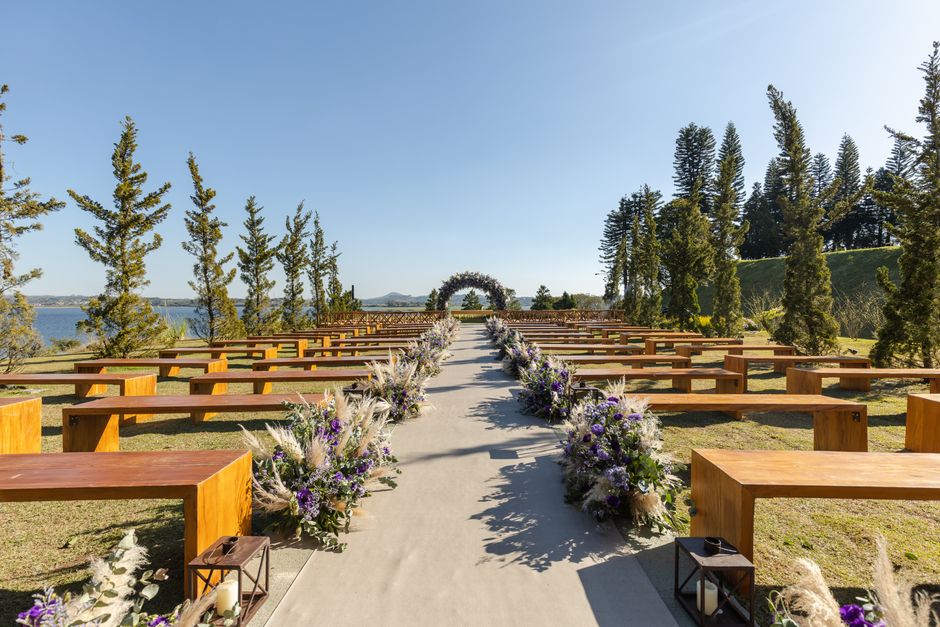
| Garden or outdoor venue | Airy, seasonal flowers with weather-conscious design | Fragile blooms that wilt quickly in heat or wind | Feels natural and photographs beautifully |
| Modern city venue | Clean shapes, strong lines, statement pieces, and minimal clutter | Overly busy arrangements with too many mixed elements | Matches contemporary interiors and crisp architecture |
| Historic house | Romantic, refined designs with classic blooms and elegant greenery | Too much colour contrast or overly trendy styling | Respects the character of the building |
| Intimate restaurant or small space | Low, compact flowers with careful placement | Large centrepieces that block conversation | Keeps the atmosphere relaxed and comfortable |
If you like visual consistency across the whole day, a well-chosen range such as The One Wedding Collection, Royal Essence Wedding Collection, or Pure Romance Wedding Collection can help you keep the mood aligned without making every arrangement identical.
Case Study or Real-World Example
Imagine a couple planning a late-summer wedding in a renovated London venue with high ceilings, brick walls, and lots of daylight in the ceremony room, then a warmer, dimmer dining space for the reception. They initially wanted very small pastel arrangements everywhere because they loved the look in photos. Pretty idea, but it would have vanished in the ceremony room and looked timid on the long reception tables.
After stepping back and looking at the venue properly, they changed course. They kept the bridal bouquet soft and romantic, used a fuller ceremony arrangement to fill the vertical space, and switched to lower table flowers with a stronger colour story for the evening meal. They also repeated the same rose and greenery combination in the buttonholes and bridesmaid bouquets, which made the whole day feel coordinated.
The result was not louder. It was smarter. Guests could actually see the flowers, the photos felt balanced, and the couple got the elegant feel they wanted without overspending on unnecessary extras. That is the kind of fix that makes a wedding look expensive, even when the plan was sensible.
If they had kept the original plan, the room would have felt oddly empty. Not terrible, just unfinished. And nobody wants that feeling on a wedding day.
Practical Checklist
Use this quick checklist before confirming your flower order.
- Have you identified the exact venue type and room layout?
- Do you know whether the space is large, intimate, bright, or dim?
- Have you checked venue rules on candles, installation, and delivery timing?
- Do your chosen flowers suit the season and expected room temperature?
- Will the arrangements allow guests to talk comfortably across tables?
- Do your ceremony flowers and reception flowers feel visually connected?
- Have you chosen one or two focal areas rather than trying to decorate every surface?
- Are your bouquet, buttonholes, and table flowers aligned with the wider palette?
- Have you allowed for practical delivery, set-up, and collection logistics?
- Do you have clear photos or references to show the florist?
Quick expert summary: start with the venue, then shape the flowers around scale, light, and guest comfort. If that sounds almost too simple, well, it is supposed to be. The best floral plans are often the ones that feel obvious in hindsight.
Conclusion
Choosing wedding flowers for different venue types does not need to feel overwhelming. Once you look at the room properly, the right choices become much clearer. Barns usually want warmth and texture, formal rooms often need structure, small venues benefit from restraint, and outdoor spaces need flowers that can handle the day without fading halfway through the speeches.
The real goal is not to buy the fanciest flowers or copy a trend exactly. It is to make the venue feel like the best version of itself. When the flowers suit the setting, everything else tends to fall into place a little more naturally. Guests notice. Photographs improve. The whole day feels calmer.
If you are still deciding, take one more look at your venue photos, your table plan, and the light in the room. Then choose flowers that work with those details rather than against them. That approach nearly always leads to a better result, and usually a less stressful one too.
Get a free quote today and see how much you can save.
And if you are standing in a venue right now trying to picture the flowers, take a breath. The right plan is probably simpler than it first looks.
Frequently Asked Questions
What flowers work best in a barn wedding venue?
Barns usually suit loose, natural arrangements with greenery, texture, and a slightly relaxed shape. Think romantic rather than overly formal. The timber, stone, and softer lighting often work best with flowers that feel organic and unfussy.
How do I choose wedding flowers for a small venue?
Go for compact, low arrangements that do not block movement or conversation. In small spaces, less is often more. Focus on one or two key areas instead of trying to fill every corner.
Are white flowers a safe choice for any venue?
White flowers are versatile, but they are not always the best standalone choice. In bright venues they can look elegant and fresh, while in darker rooms they may need greenery or stronger accent colours so they do not disappear.
How many floral arrangements do I need for a wedding venue?
That depends on the size of the venue, the number of tables, and how much visual impact you want. A small room may only need a few focal pieces, while a large ballroom may need several arrangements to feel balanced.
Should ceremony flowers match reception flowers exactly?
Not exactly, but they should feel connected. Using the same colours, flower families, or foliage across both spaces creates a smoother look without making everything identical.
What if my venue has very little natural light?
Choose flowers that hold their shape and colour well under artificial lighting. Stronger tones, layered greenery, and more defined arrangements often work better than very pale blooms in dimmer spaces.
Can I use seasonal flowers for every venue type?
Yes, and it is usually a sensible choice. Seasonal flowers often feel more natural and can suit different venue types with the right styling. The key is matching their shape and colour to the room.
How far in advance should I book wedding flowers?
As early as you reasonably can, especially for popular dates or more detailed floral designs. Early booking gives you more choice and makes it easier to coordinate venue access, delivery times, and the final design brief.
What is the biggest mistake couples make with venue flowers?
The biggest mistake is choosing flowers without thinking about the space they will live in. A design can look beautiful in isolation and still feel wrong in the room if the scale, light, or layout does not fit.
Do I need different flowers for the top table?
Usually, yes. The top table often benefits from a fuller or more prominent arrangement so it stands out in photos. It should still match the rest of the wedding flowers, just with a bit more emphasis.
How can I keep wedding flowers within budget without making them look cheap?
Prioritise a few key areas, use seasonal stems where possible, and choose flowers that create presence without needing huge quantities. A well-planned small design often looks more polished than too many thinly spread arrangements.
Should I ask the florist about the venue before ordering?
Definitely. A good florist will want to know the venue type, room size, light levels, access points, and any restrictions. That information helps them recommend flowers that suit the actual setting, not just the idea of it.